A furnace that sat idle all summer gets asked to run for hours the first night temperatures drop below freezing. Annual heating maintenance from IMS Heating & Air finds the weak parts before that happens, so your system starts reliably, burns cleanly and uses less energy all winter. Schedule your tune-up at (970) 913-0868
Members of our Comfort Club Plans get annual heating, cooling and plumbing visits plus member discounts.
What a Heating Tune-Up Includes
Our licensed technicians inspect, clean and test the parts that cause most winter breakdowns:
- Ignition and flame: We check the igniter, clean the flame sensor and confirm the burners light and burn evenly.
- Safety controls: We test limit switches, pressure switches and rollout switches so the furnace shuts down when it should.
- Heat exchanger and venting: We look for cracks, corrosion and blocked flue or PVC vent pipes, and check for carbon monoxide.
- Airflow: We inspect the blower motor and wheel, check the air filter and measure temperature rise across the furnace.
- Electrical: We tighten connections and test capacitors, relays and the control board.
- Thermostat: We confirm it reads accurately and calls for heat correctly. See our thermostat options if yours is due for an upgrade.
- Condensate drain: On high-efficiency furnaces, we clear the drain line and trap so the unit doesn’t shut off on a frozen or clogged line.
You get a clear report of what we found. If a part is close to failing, we explain the options and give you an upfront price before any repair.
Heat Pump Maintenance Before Winter
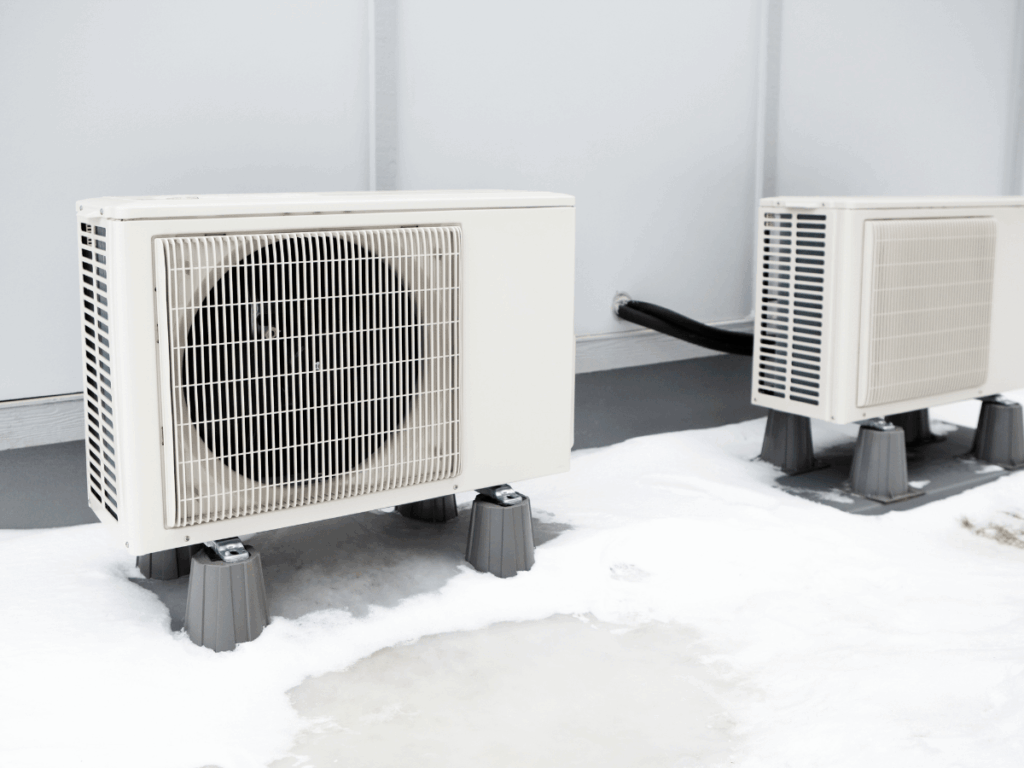
More Loveland homes now heat with a heat pump or a dual-fuel system. A heat pump tune-up adds checks a furnace visit doesn’t cover: refrigerant charge, the defrost cycle, the reversing valve, outdoor coil condition and backup heat strips. Those checks matter most during an arctic front, when a heat pump leans on defrost and backup heat to keep up.
Why Front Range Furnaces Need a Fall Tune-Up
Loveland’s heating season is long and uneven. Chinook days in the 60s can follow nights near zero, so furnaces cycle on and off more than they do in steadier climates. That cycling wears igniters, flame sensors and blower motors. At around 5,000 feet, gas furnaces also need correct combustion settings to burn cleanly. And heavy upslope snow can bury the PVC vent pipes on high-efficiency furnaces, which is why we check vent terminations during every visit.
The best time to schedule is September through early November, before the first hard freeze fills our calendar with no-heat calls.
Signs Your Furnace Needs Attention Now
Don’t wait for your annual visit if you notice any of these:
- The furnace turns on and off every few minutes (short cycling)
- Some rooms stay cold while others overheat
- Your gas bill is higher than last winter with similar weather
- A yellow or flickering burner flame instead of a steady blue one
- Squealing, rattling or banging from the furnace cabinet
- More dust than usual, or a burning smell that lasts past the first few days of the season
If the furnace has stopped heating entirely, call for furnace repair right away. If it happens at night or on a weekend, our emergency heating team is available 24/7.