
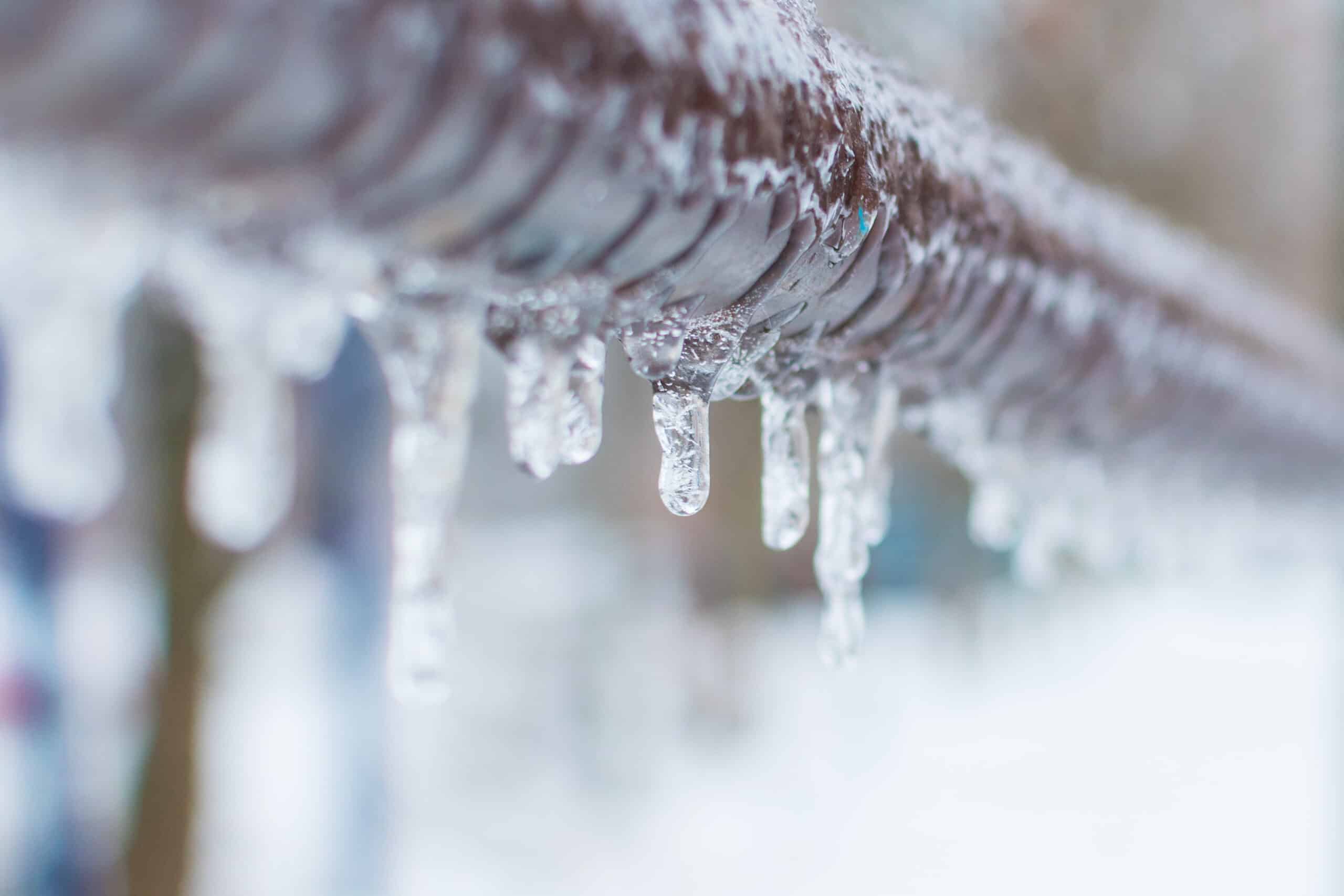
A single frozen pipe can split and release hundreds of gallons of water once it thaws. In Loveland, where a sunny 55-degree afternoon can give way to a below-zero night, pipes face more freeze-and-thaw stress than in many colder places. These steps from our licensed plumbers will help you get through the winter without a flooded basement.
Why Loveland Pipes Are at Risk
Our winters aren’t constantly frigid, and that’s part of the problem. Homeowners get used to mild Chinook days and aren’t ready when an arctic front drops temperatures 40 degrees overnight. Pipes most likely to freeze are the ones exposed to that cold:
- Pipes in exterior walls, especially on north-facing sides of the house
- Plumbing in crawl spaces, unheated basements and garages
- Lines in attics or above vaulted ceilings
- Outdoor hose bibs and sprinkler system backflow devices
- Kitchen and bathroom sinks on exterior walls
Before the First Hard Freeze
Fall is the time to prepare, ideally before the first freeze in October or early November:
- Disconnect garden hoses. A hose left attached traps water in the spigot, even on a frost-free hose bib.
- Blow out your sprinkler system. Water left in irrigation lines and backflow preventers can crack them.
- Insulate exposed pipes. Foam pipe sleeves are inexpensive and easy to install on pipes in crawl spaces, garages and unfinished basements.
- Seal air leaks. Caulk or foam gaps where pipes, cables or vents pass through exterior walls and rim joists.
- Close crawl space vents if your home has them, and keep garage doors closed.
- Find your main water shut-off valve and make sure it turns. If a pipe bursts, you’ll want to shut off the water in seconds, not minutes.
- Schedule a heating tune-up. A furnace that fails during a cold snap is one of the most common reasons pipes freeze. Our Comfort Club Plans include annual heating and plumbing visits.
During a Cold Snap
When the forecast calls for single digits or below zero:
- Keep the heat at 55 degrees or higher, even at night and when you’re away.
- Open cabinet doors under sinks on exterior walls so warm air reaches the pipes.
- Let faucets drip slightly on lines that run through exterior walls. Moving water is much less likely to freeze, and a drip relieves pressure if ice does form.
- Keep interior doors open so heat circulates to rooms farthest from the furnace.
- Don’t turn the thermostat way down overnight during an extreme cold snap, even if you normally do.
Leaving Town for the Holidays?
If you’ll be away during winter, set the thermostat to at least 55 degrees and ask a neighbor to check the house if a cold snap hits. For longer trips, consider shutting off the main water valve and draining the lines. A smart thermostat or a water leak sensor can alert you to a problem while you’re gone. See our thermostat options.
How to Tell If a Pipe Is Frozen
- Little or no water comes out when you turn on a faucet
- Frost on a visible pipe
- A strange odor from a drain or faucet
- Bulging or cracked sections of pipe
What to Do If a Pipe Freezes
- Keep the faucet open. As the ice melts, running water helps thaw the rest of the pipe.
- Apply gentle heat with a hair dryer, a space heater kept a safe distance away or warm towels, starting near the faucet and working toward the frozen section.
- Never use an open flame, like a torch or propane heater, to thaw a pipe.
- Check other faucets. If one pipe froze, others may have too.
- Call a plumber if you can’t find the frozen section, can’t reach it or the pipe doesn’t thaw.
If a Pipe Bursts
Shut off the main water valve right away, then turn off the water heater and cut power to any wet areas. Open a faucet on the lowest level to drain the remaining water, then call our emergency plumbing line at (970) 913-0868. We answer 24/7.
Our plumbers can repair the damaged section, check the rest of your plumbing for weak spots and help you prevent the next freeze. Learn more about our pipe and water leak repair services.
Protect Your Home All Winter
Preventing frozen pipes comes down to two things: keeping cold air away from your plumbing and keeping warm air flowing to it. A reliable furnace and well-protected pipes go hand in hand, which is why we recommend a heating tune-up and a plumbing check every fall. Learn more about our plumbing maintenance and furnace repair services, or call IMS Heating & Air at (970) 913-0868.