When your water heater gives out, you have a choice to make fast: replace it with another tank or switch to tankless. Both can be the right answer. The best choice depends on your household, your budget and a few factors specific to Northern Colorado. Here’s how the two compare.
How Each Type Works
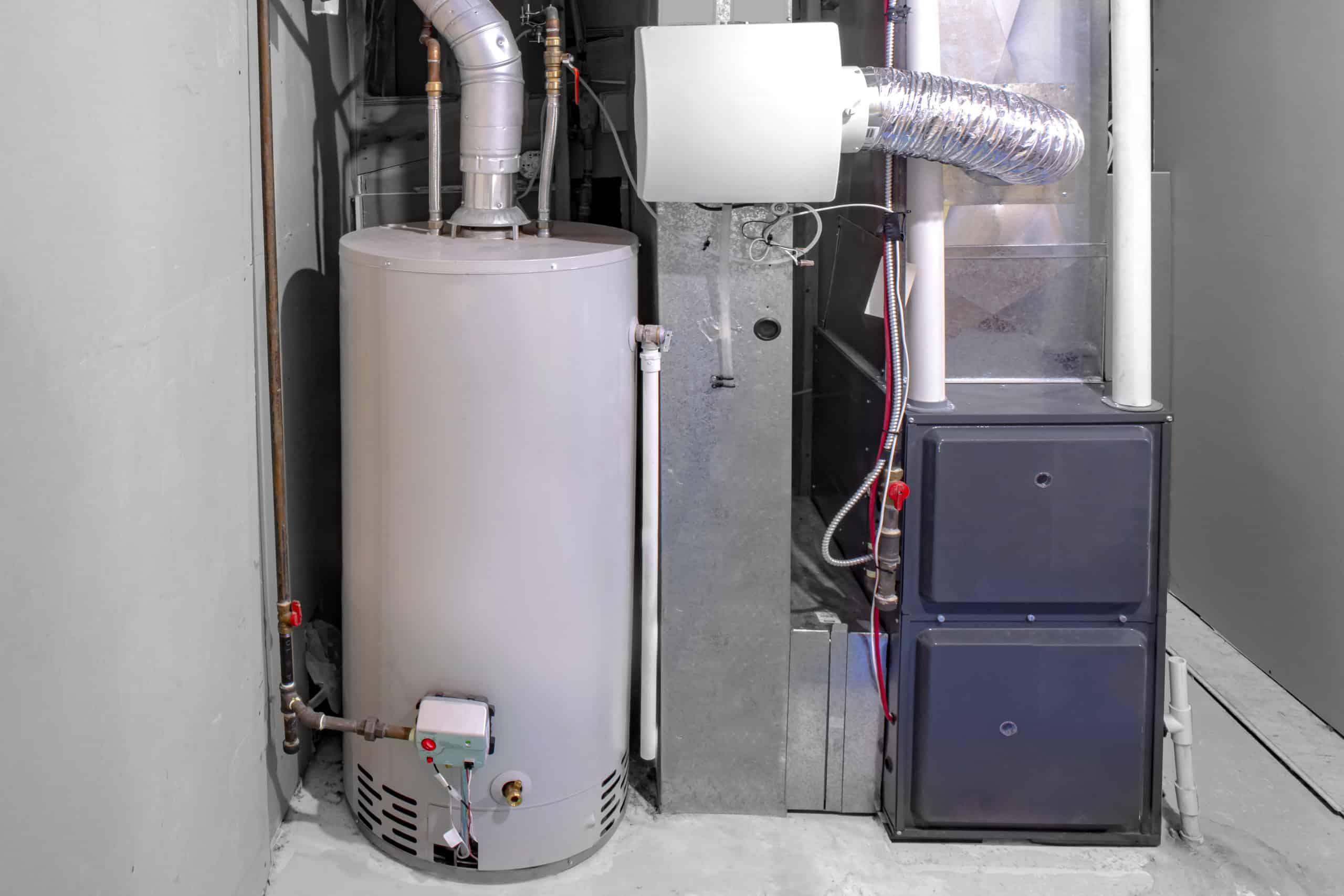
A traditional tank water heater stores 40 to 80 gallons of water and keeps it hot around the clock, ready for whenever you need it. When you use hot water, cold water refills the tank and the burner or elements heat it back up.
A tankless water heater has no storage tank. When you open a hot water tap, water flows through a heat exchanger and is heated on demand. When you close the tap, the unit shuts off.
Upfront Cost
Tank water heaters cost less to buy and install, especially when you’re replacing a tank with a similar model in the same spot. Tankless units cost more, and the installation often adds more. Many homes need a larger gas line, new venting or an electrical upgrade to support a tankless unit. If upfront cost is your top concern, a tank is usually the better choice.
Energy Efficiency and Operating Cost
A tank loses heat all day and night as it keeps stored water hot. These standby losses are why tankless units are usually more efficient. You only pay to heat the water you use. Savings depend on how much hot water your household uses, but over many years, lower operating costs can offset part of the higher upfront price.
Tanks are getting more efficient too. Heat pump water heaters are tank-style units that move heat from the surrounding air into the water, and they can use far less electricity than a standard electric tank. Some qualify for Xcel Energy rebates.
Hot Water Supply
This is where the two feel most different day to day. A tank delivers a large amount of hot water quickly, but once it’s used up, you wait for it to recover. Back-to-back showers in a busy household can run the tank cold.
A tankless unit never runs out the same way, but it can only heat a certain number of gallons per minute. If you run two showers, the dishwasher and the washing machine at once, an undersized tankless unit may not keep up. Sizing is everything.
Lifespan
Most tank water heaters last 8 to 12 years. Many tankless units last around 20 years with regular descaling. A longer lifespan helps balance out the higher upfront cost, as long as the unit is maintained.
Space
A tank takes up floor space in a utility room, basement or garage. A tankless unit mounts on the wall and is about the size of a carry-on suitcase, which can free up room in smaller homes or finished basements.
Factors That Matter in Northern Colorado
A few local conditions affect how each type performs in Loveland and the surrounding area:
- Altitude. At around 5,000 feet, gas appliances lose some capacity because there’s less oxygen in the air. Tankless units need to be sized and set up for high-altitude use.
- Cold winter water. Incoming water temperatures drop in winter, so a tankless unit has to heat the water further and can deliver fewer gallons per minute. A unit that feels endless in summer can struggle on a January morning if it’s undersized.
- Hard water. Mineral scale builds up in both types. In a tank, it settles as sediment. In a tankless unit, it coats the heat exchanger. Homes on rural wells near Berthoud, Mead and Johnstown can have much harder water than city supplies. A water softener or filtration system helps either type last longer.
Maintenance
Tank water heaters should be flushed about once a year to remove sediment. Tankless units need annual descaling, and some manufacturers require it to keep the warranty valid. Both services are part of our plumbing maintenance.
A Tank Is Usually Better If…
- You want the lowest upfront cost
- Your current tank is working well for your household
- Your home would need major gas, venting or electrical upgrades for tankless
- You often run several hot water fixtures at the same time and don’t want to size up a large tankless unit
Tankless Is Usually Better If…
- You plan to stay in your home for many years
- You want endless hot water for back-to-back showers
- You want to save floor space
- You want lower standby energy use
- Your home already has the gas line and venting capacity, or you’re willing to upgrade
Get a Recommendation for Your Home
There isn’t one right answer for every home. The best way to decide is to have a plumber look at your household’s hot water use, your gas line or electrical capacity and your venting options. IMS Heating, Air, Plumbing & Electrical installs both tank and tankless water heaters in Loveland, Berthoud, Longmont and nearby communities, and we’ll give you an upfront price for each option.
Learn more about our water heater installation and repair and tankless water heater services, or call (970) 913-0868 to schedule.